
I’m almost thirty, and some days it feels like I’ve spent my whole life caring for someone.
I stopped working a year ago after a mental breakdown. At first, I thought I just needed a few months to rest, to recover. But then my partner’s health worsened, and before I knew it, my days filled up again—medications, meals, monitoring, managing. Care became my structure, my routine, my world.
Every day feels the same now. I wake up tired, go through the motions, and fall asleep knowing tomorrow will look exactly like today. It’s not that I don’t love my partner. I do. It’s just that love can’t fix this kind of exhaustion.
The pattern feels familiar. When I was a teenager, I cared for my grandmother, who had Alzheimer’s. I remember spoon-feeding her oatmeal, reminding her who I was, pretending I wasn’t scared of what was coming. When her care became too complex, she moved into a facility. I told myself I’d done enough, that I could finally rest. But here I am again—caregiving, grieving, surviving.
It’s strange how easily life slips into repetition. The faces change, the details shift, but the feeling stays the same: the sense that my needs will always come last.
I’ve been caring for people since before I understood what that meant. My grandfather, dying from cancer. Both of my grandmothers, each fading in different ways. My mom, struggling with her own health. And now, my partner. Every person I’ve loved deeply has needed something from me that cost a piece of me to give.
Most people assume caregivers are surrounded by support—friends checking in, family stepping up. But that’s never been my reality. I’m autistic, and social situations drain me more than they refill me. I don’t crave company; I crave quiet. But lately, even the quiet feels heavy.
It’s a strange kind of loneliness—being surrounded by someone else’s needs but having nowhere to put your own.
Sometimes I think about all the places I could go if I weren’t tied to care. Not big, dramatic escapes—just small ones. Sitting by the ocean without needing to watch the clock. Getting lost in a bookstore for hours. Having a day that belongs entirely to me.
But the truth is, I don’t have anywhere to go. Everyone I’ve cared for is either gone or too unwell to share space with me in the way they used to. My world feels smaller with every goodbye, and I’m left holding all their stories with nowhere to set them down.
Some nights, I catch myself scrolling through old photos—my grandmother laughing, my grandfather in his garden, my younger self smiling without the heaviness behind my eyes. I wonder who I might have been if care hadn’t shaped every corner of my life.
But even in that wondering, there’s love. I wouldn’t trade the people I’ve cared for. They made me who I am—steady, loyal, patient, maybe to a fault. I just wish I’d learned sooner that caring for others doesn’t mean disappearing yourself.
Lately, I’ve been trying to make tiny spaces for myself again. I take slow walks after my partner falls asleep, even if it’s just around the block. I sit by the window with tea before the house wakes up. I keep a notebook on the nightstand where I write down one sentence a day that isn’t about anyone else.
It’s not much. But it’s a start.
I don’t know if the exhaustion ever truly leaves, or if it just softens over time. But I’m starting to believe that healing for caregivers doesn’t come from escaping care—it comes from learning to include ourselves in it.
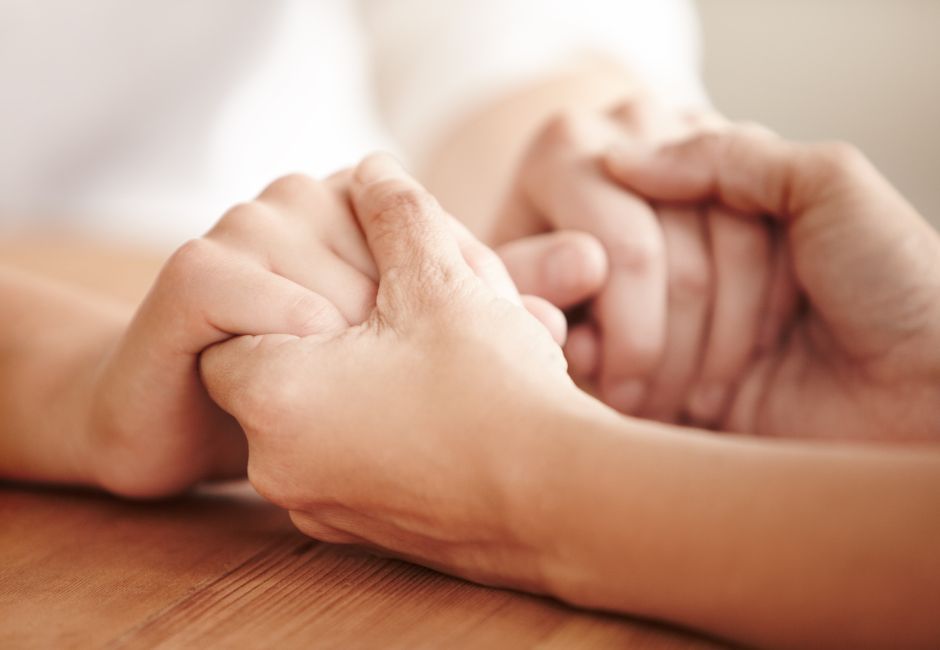
I think about something my grandmother once said before her memory faded completely: “You can’t hold everyone else’s hand if you don’t have a free one left for your own.” At the time, I didn’t understand. Now, it feels like the truest thing I’ve ever heard.
So, I’m learning to loosen my grip a little. To let the world turn without me for an hour or two. To believe that it’s okay if I’m not everything for everyone.
Maybe caregiving isn’t a season for me—it’s my story. But that doesn’t mean I can’t write new chapters inside it. Chapters that include stillness, laughter, and days where I care for no one but myself.
Because if care is the language I’ve lived by, then rest has to be the punctuation—the pause that lets the meaning breathe.