There was something sacred about the way I used to help my mother choose her clothes each morning.
Those fleeting moments felt like a bridge to the days when she was vibrant and full of stories.
Now, as I sift through the familiar fabric, I feel a pang of loss, a whisper of the past clinging to every thread.
It’s a delicate dance of memory, where I find myself grasping at the shadows of who she once was.
She watches me with eyes full of confusion, and I can see she’s trying to remember the woman who used to quiz her on fashion choices.
But it’s not just about the clothes or the routines anymore.
Every day has become a tapestry of logistics, an endless loop of tasks I never prepared for.
We built a ramp, installed grab bars, and put in stair rails, thinking that would be enough.
No one warned us about the unseen weight of caregiver anxiety.
The fears that lurk quietly behind every choice we make.
I feel the burden of coordinating medication, emergency responses, and care schedules.
It’s like creating a puzzle without the picture on the box.
I often find myself overwhelmed, trying to stitch together pieces that don’t quite fit, longing for a map to guide my way.
As I battle through these complexities, I realize that aging in place is not just about making physical adjustments.
It’s about facing fear head-on.
What if something goes wrong when I’m not there?
What if the answer on the other end of a phone call is not what I hope to hear?
No one designed a solution for the heartache that accompanies the fear of losing control.
Instead of smooth transitions, we experience the raw edges of uncertainty.
As much as the world focuses on hardware, the emotional landscape is what truly demands our attention.
Your loved one may have a beautiful ramp to roll down, but who is there to help them when shadows stretch across the evening?
For me, it is hard to let go of the idea that I am supposed to have it all figured out.
I know in my heart that I’m doing my best, yet the unseen pressure feels relentless.
When I finally sit down after hours of chores, I can still feel the weight of worry sitting next to me.
It’s exhausting, both physically and emotionally.
We often carry our exhaustion like a badge of honor, but I want to remind you that it’s okay to feel weary.
It doesn’t mean we’re doing anything wrong.
Rather, it means we’re human.
And in this whirlpool of caregiving, we must cultivate space for gentleness for ourselves.
One evening, after another long day, I took a deep breath and made a small commitment.
I promised to allow myself to feel the grief and fatigue without guilt, recognizing it as a part of my journey.
Healing doesn’t always mean fixing; sometimes it just means acknowledging pain exists.
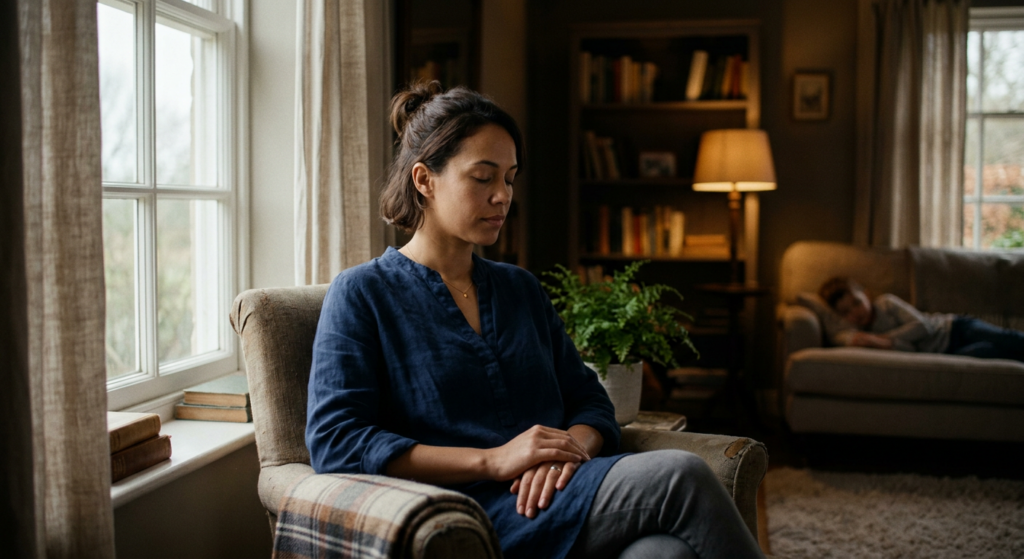
So now, I create small pauses in my day.
I brew tea and sit quietly, letting the steam whisper comfort into my surroundings.
I reflect on the moments we share, even if they’re not what they once were.
In those moments, I realize we still laugh, sometimes about her confusion, sometimes about my own blunders.
Caregiving isn’t just about carrying burdens; it’s about finding joy in tiny flickers of connection.
We are rediscovering one another in this new chapter, and though it may be tough, there are sparks that remind me we are still here.
I’ve learned to invite love into the worry, to dance with it rather than wrestle it away.
We are growing together, even through the fog of memory loss.
And yes, some days will still feel heavy, anxiety still creeping in, whispering fears.
But amidst the chaos, I must remind myself that each day is a gift, offering lessons and moments of grace.
After all, I am not alone.
We are walking this road together, and I can find solace in the shared love that we hold even in our most vulnerable days.
Let’s remember to pause, breathe, and find joy in the little things.
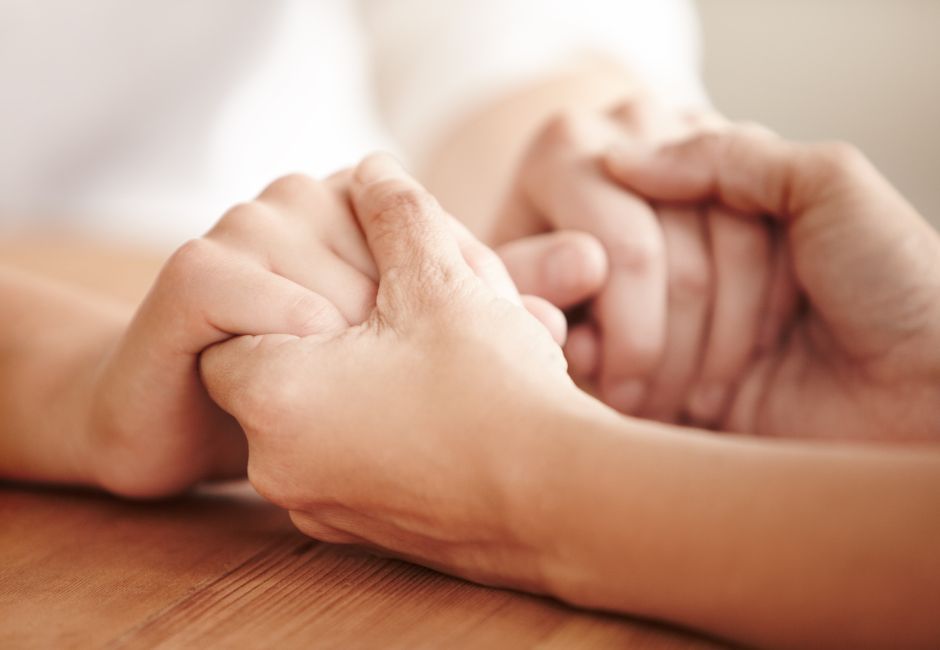
And as we hold on to each other, we can also find a way to hold our hearts gently, allowing space for all the complexities of caregiving.