
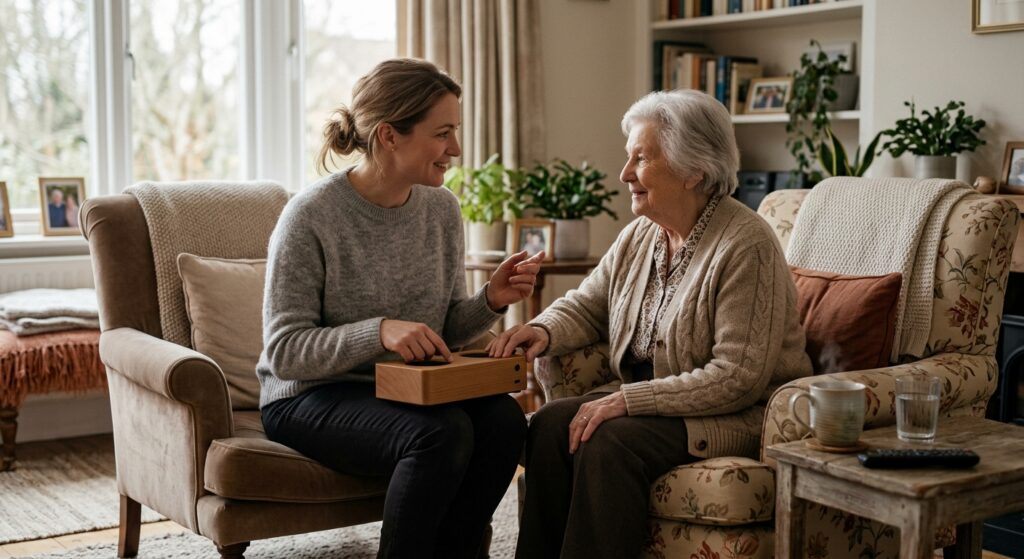
Understanding Music’s Role in Caregiving
As a caregiver, you may find yourself overwhelmed by the demands of daily care, decisions to be made, and an emotional load that feels heavy at times. Recognizing the challenges is the first step. Music, a simple yet powerful tool, can profoundly support both caregivers and those receiving care.
What’s Happening Beneath the Surface
Caregivers often experience a state of overload—decision fatigue sets in, emotional strain builds, and feelings of isolation can creep up. The absence of support systems leaves many caregivers stressed, as they juggle responsibilities alone. It can be particularly difficult if you are caring for someone with Alzheimer’s or dementia, where understanding and communication can become increasingly complex.
Insights into Caregiver Challenges
Many overlook how music can help navigate these challenges. It’s essential to remember that music is more than just entertainment; it has the capacity to evoke memories, stimulate engagement, and foster emotional connections. This knowledge can help you and your loved one find moments of relief amidst a long day.
Daily Impact on Your Caregiving Life
Incorporating music into your caregiving routine can lead to notable changes in your daily life. You may notice increased patience during difficult moments, improved communication, and a deeper sense of connection with the person you are caring for. However, without realizing it, the absence of such moments can also lead to greater feelings of guilt, resentment, or burnout when the interaction falls flat. You may feel frustration from not being able to reach the needs of your loved one, which can further compound emotional exhaustion.
Practical Ways Music Can Help
Implementing music in caregiving doesn’t require extensive planning. Instead, focus on simple actions that can alleviate stress and foster connection:
- Create a daily playlist that resonates with your loved one; familiar tunes can trigger memories and responses.
- Set aside time for music sessions, perhaps using gentle singing or listening together as a bonding activity.
- Engage with community resources that offer music programs designed for older adults to enhance socialization.
- Establish clear boundaries by utilizing music as a cue for transitions—for example, starting music during meal prep to signify a change in activity.
Next Steps for Caregivers
- Identify three songs that hold special meaning for your loved one and integrate them into your daily routine.
- Plan a brief music session for each day—this can be 10-15 minutes of listening or singing together.
- Seek out local resources, like music programs for seniors, to complement your caregiving efforts.
- Communicate with family members about how music has impacted your caregiving role; they might want to get involved.
Grounded Insight for Practical Awareness
Incorporating music into your caregiving doesn’t erase the challenges, but it can create a more nurturing environment for you both. Awareness of these tools allows you to advocate for yourself and your loved one, transforming how you navigate the complexities of care.