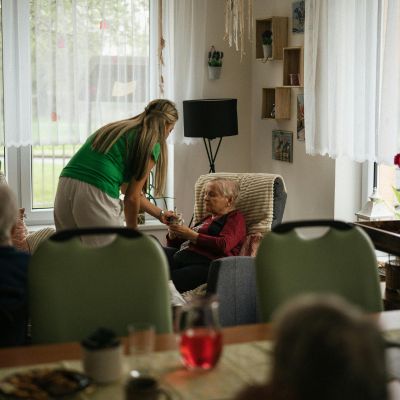

Choosing Caregivers for Aging Parents: A Recent Insight
As news unfolds about families grappling with caregiver decisions, one compelling story from Arpita Bhayani sheds light on the urgency and challenges faced by those caring for aging parents. With her mother recently diagnosed with dementia, Bhayani’s experience highlights the complexities that arise when children must find suitable care for their elderly parents, particularly from a distance.
The Evolving Landscape of Caregiving
The landscape of caregiving is shifting, with more families needing to consider what care truly looks like for their aging relatives. As parents live longer and deal with conditions such as dementia, traditional plans may no longer suffice. Caregivers must evaluate not only the physical health needs of their loved ones but also the emotional and cognitive aspects of aging. Understanding the nuances of what each caregiver can provide is crucial for ensuring that the right support is put in place.
My Insights on Caring for Aging Parents
From my experience as a caregiver and founder of Cognitive Caregiver, I know that many may overlook the emotional implications of selecting a caregiver. It’s not just about the logistics of care—who can help with daily tasks or medication schedules—but also about how a caregiver connects with the person needing care. This emotional connection can significantly influence the quality of care. Remember, establishing a rapport and ensuring that both parties feel comfortable is essential in facilitating trust and comfort. Don’t underestimate the importance of rapport-building; it plays a critical role in caregiving relationships.
What This Means for Family Caregivers
For family caregivers, this evolving narrative speaks directly to preparation and awareness. You’ll want to ensure that you are asking the right questions when considering caregivers. It’s helpful to inquire about their approach to care, how they handle specific challenges, and their experience with conditions like dementia. Documentation of care patterns, feedback from other families, and even trial periods can provide insights into whether the caregiver is a suitable fit. Most importantly, trust your instincts—if you feel uncertain about a caregiver’s approach, continue your search.
Grounded Insights for Successful Caregiving
In conclusion, navigating the complexities of caregiving requires not just practical skills but emotional intelligence. Understanding that the right caregiver can change the quality of life for both the elder and the family is paramount. Be proactive in your approach to finding support, as the right caregiver partnership can make a world of difference.
Source: The Times of India — What you need to know when choosing caregivers for parents, 2026