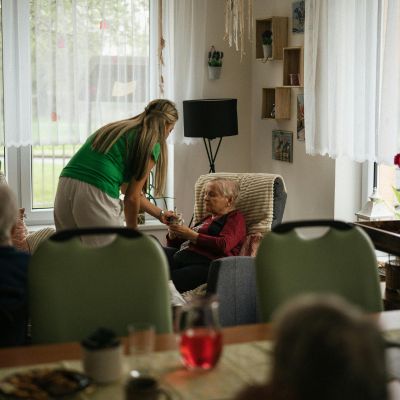

Understanding Caregiver Burnout
Recent discussions around caregiver burnout highlight an increasingly important aspect of caregiving: the toll it takes on the emotional and physical well-being of those providing care. Recognizing the signs of caregiver stress is crucial for maintaining both the caregiver’s health and the quality of care provided to the loved one.
What’s Changing in the Conversation About Caregiving?
The conversation around caregiver burnout is evolving, emphasizing the need for actionable strategies to combat stress. Unfortunately, many discussions still overlook the reliance on informal caregivers—often family members—who frequently go unrecognized and unsupported. This underlines the pressing need for accessible resources and community support systems. Caregivers should understand that acknowledging their own needs is not selfish but essential for sustainable caregiving.
Considerations for Caregivers
As I reflect on the ongoing dialogues surrounding caregiver burnout, it’s clear that many miss the importance of self-awareness in their caregiving roles. Daily responsibilities can easily overshadow one’s emotional landscape. Caregivers often neglect their own feelings, leading to emotional exhaustion. It’s vital to create space for checking in with oneself, recognizing the signs of stress, and being compassionate towards our needs as caregivers. We are often so focused on our loved ones that we forget we are not invincible.
Implications for Daily Caregiving
For caregivers, understanding burnout is the first step towards prevention. This means incorporating regular self-assessment into your routine to gauge your emotional health. Have you been feeling fatigued, irritable, or detached? These could be red flags indicating that you need to take action. Furthermore, caregivers should foster open communication with their support networks to ensure they can freely express their challenges and seek help when needed.
Steps to Manage Caregiver Burnout
- Regularly schedule time for self-care activities that recharge you emotionally and physically.
- Establish a support network, sharing your feelings and experiences with peers or family who understand caregiving challenges.
- Incorporate mindfulness practices, like meditation or breathing exercises, into your daily routine to enhance emotional balance.
- Set clear boundaries to prevent overcommitting yourself and to protect your time for self-care.
- Seek out community resources for assistance and information on available caregiver support programs.
Grounded Insights for Ongoing Care
Recognizing and addressing caregiver burnout is a continuous journey. It’s essential to remain vigilant about your emotional health as a caregiver. Acknowledging your struggles can lead to healthier caregiving, not just for you, but for the loved ones who rely on your support.
Source: CAREGIVER NEWS — Managing Caregiver Burnout, 2026