It often feels like I’m running on empty these days.
Between caring for my mother and facing the changes of menopause, life has become an overwhelming rollercoaster.
Some mornings, I barely have the energy to rise from bed, let alone tackle the immense responsibilities awaiting me.
I remember the moment I realized how much time had passed since I’d truly cared for myself.
With each passing day, my focus was solely on my mother and her needs, and in doing so, I lost sight of my own health.
The busy days quickly turned into restless nights, often filled with thoughts spiraling around unmet needs and unacknowledged exhaustion.
It’s like the world spun on without me while I stood still, holding tightly to my role as caregiver, forgetting I was also a person deserving of care.
The unrecognized pressures weighed heavily upon me.
Hot flashes would hit me at the most inopportune times—like when I was helping my mother with her meals or putting her to bed.
As I navigated this delicate balance, there were moments of confusion and frustration that made me feel like I was losing touch with myself.
My mother, in her own journey with dementia, often had days where she couldn’t recall the simplest things.
She would look at me blankly and ask who I was, and despite the sorrow it brought, I had to remind myself not to take it personally.
Yet, it felt as if I was losing her piece by piece, much like I was losing parts of myself.
Through this haze, I learned that the heart of caregiving isn’t just in the tasks or the responsibilities; it’s about connection.
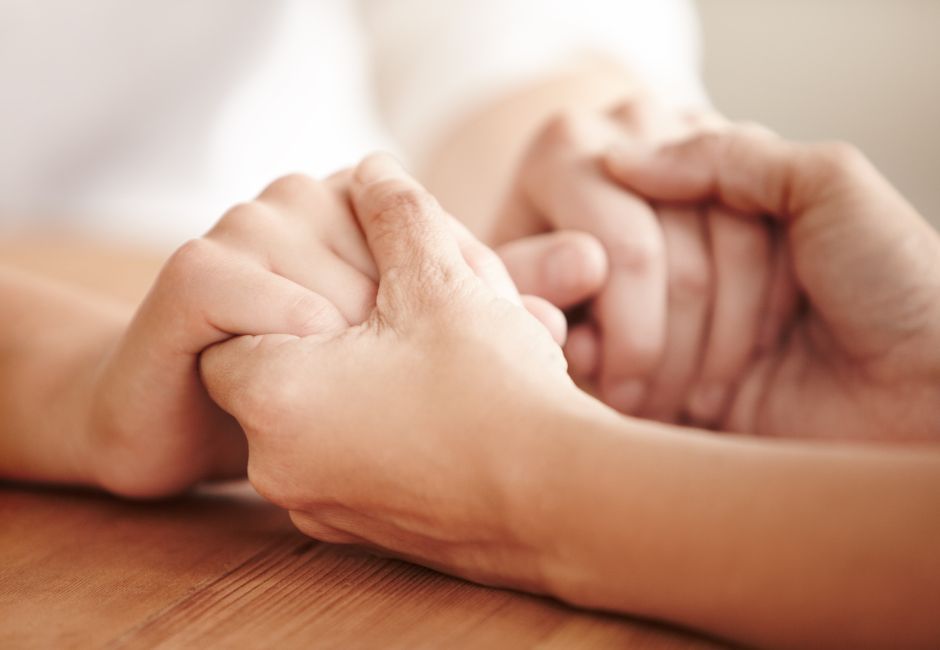
When she forgot my name, I learned to reach for her hand and simply smile.
Connection, even in its simplest form, can be a lifeline for both of us.
I found solace in those moments when she smiled back, a small reminder of the love beneath the surface.
But, managing my own emotional health became a crucial thread of this journey.
Sometimes, I’d break down, overwhelmed by the weight of everything.
On these days, I had to gather the courage to reach out for support.
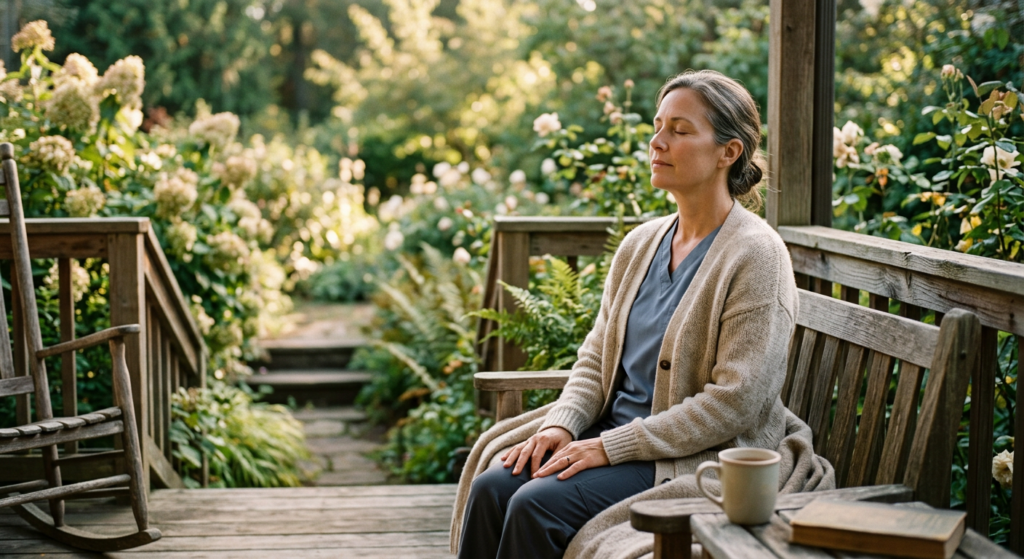
I started small, breathing deeply and acknowledging those tough feelings, validating my own exhaustion.
In those moments, I would remember that my well-being directly impacted my ability to care for my mother.
As caregivers, we often hear about the importance of self-care, but it can feel nearly impossible to implement.
And yet, I discovered a gentle reset could happen with just a gratitude practice.
Each day, I began jotting down three things I was grateful for, however small.
Sometimes it was the warmth of the sunlight streaming through the window, or a fleeting, joyful memory with my mom.
This simple act created a shift; it helped me recognize the beauty amidst the chaos.
There’s truth in the idea that we can hold conflicting emotions at once—joy for the love in my heart and sorrow for what’s slipping away.
Through the ups and downs, I learned it was okay to feel it all.
There are days I worry I’m not doing enough, questioning if I’m a good caregiver.
But I remind myself that love is not measured by perfection.
It’s found in compassion, patience, and simply being present.
So here I am, learning and growing, often stumbled by exhaustion yet still standing.
Through all the challenges, I hold on to fleeting moments of joy, knowing that they are still there, lurking quietly in the background.
If I can learn to embrace both the light and the dark, perhaps I can also find a way to fill my empty wells as well.
To fellow caregivers grappling with similar struggles: remember, your strength lies in vulnerability.
Take the time you need to care for yourself.
Reach out for support, share your fears, and allow yourself the grace you deserve.
This path is not easy, but we are not alone.